
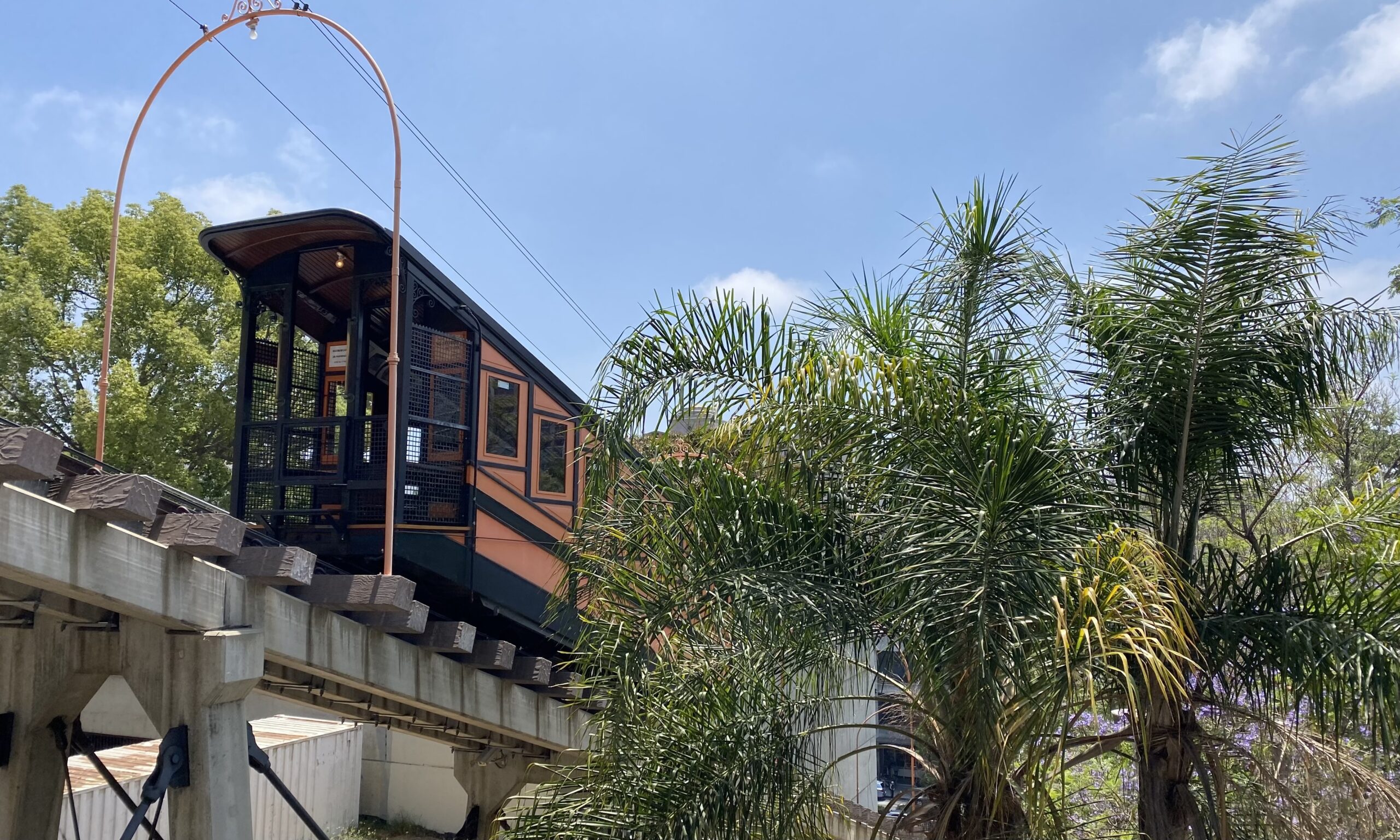
Bunker Hill Refrain
Current Project
SUMMARY
Bunker Hill Refrain is an ongoing community memory and digital humanities project that brings together former Bunker Hill residents and their descendants, students, researchers, librarians, and community organizations. Using archival records from the Works Progress Administration and other primary sources, the project has digitally reconstructed approximately 20 blocks of the Bunker Hill neighborhood as they existed before urban renewal transformed the area during the 1950s and 1960s.
Since 2024, each phase of the project has expanded a growing “rebel archive” that challenges the narratives used by mid-twentieth-century policymakers to characterize Bunker Hill as a slum and justify its demolition. During the project’s first year, students worked with former residents and their descendants to conduct photo-elicitation interviews and collect oral histories, family photographs, and personal accounts of neighborhood life. These materials have been preserved through USC’s digital collections and incorporated into the Bunker Hill Refrain model as an interpretive layer shaped by community memory.
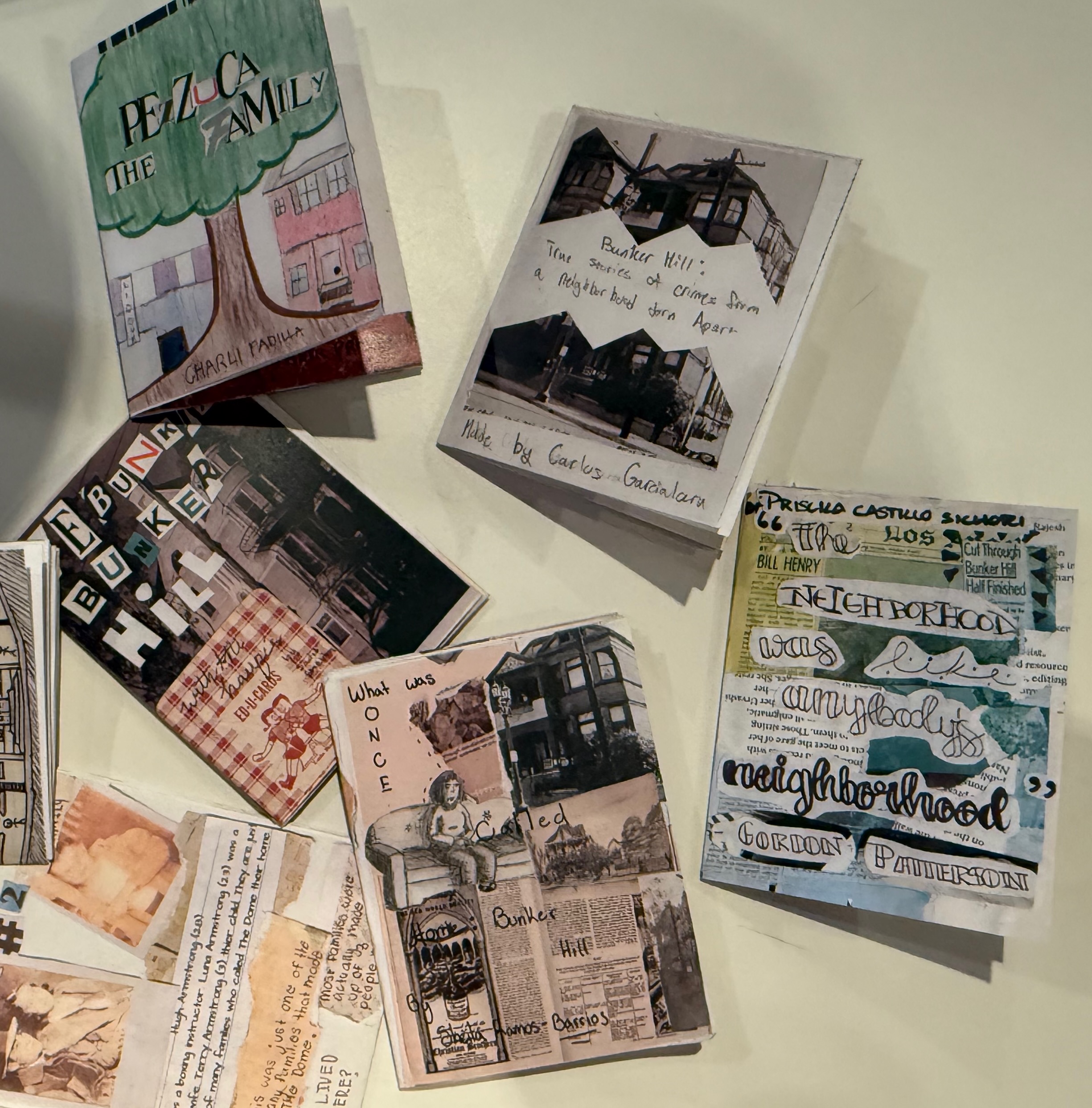
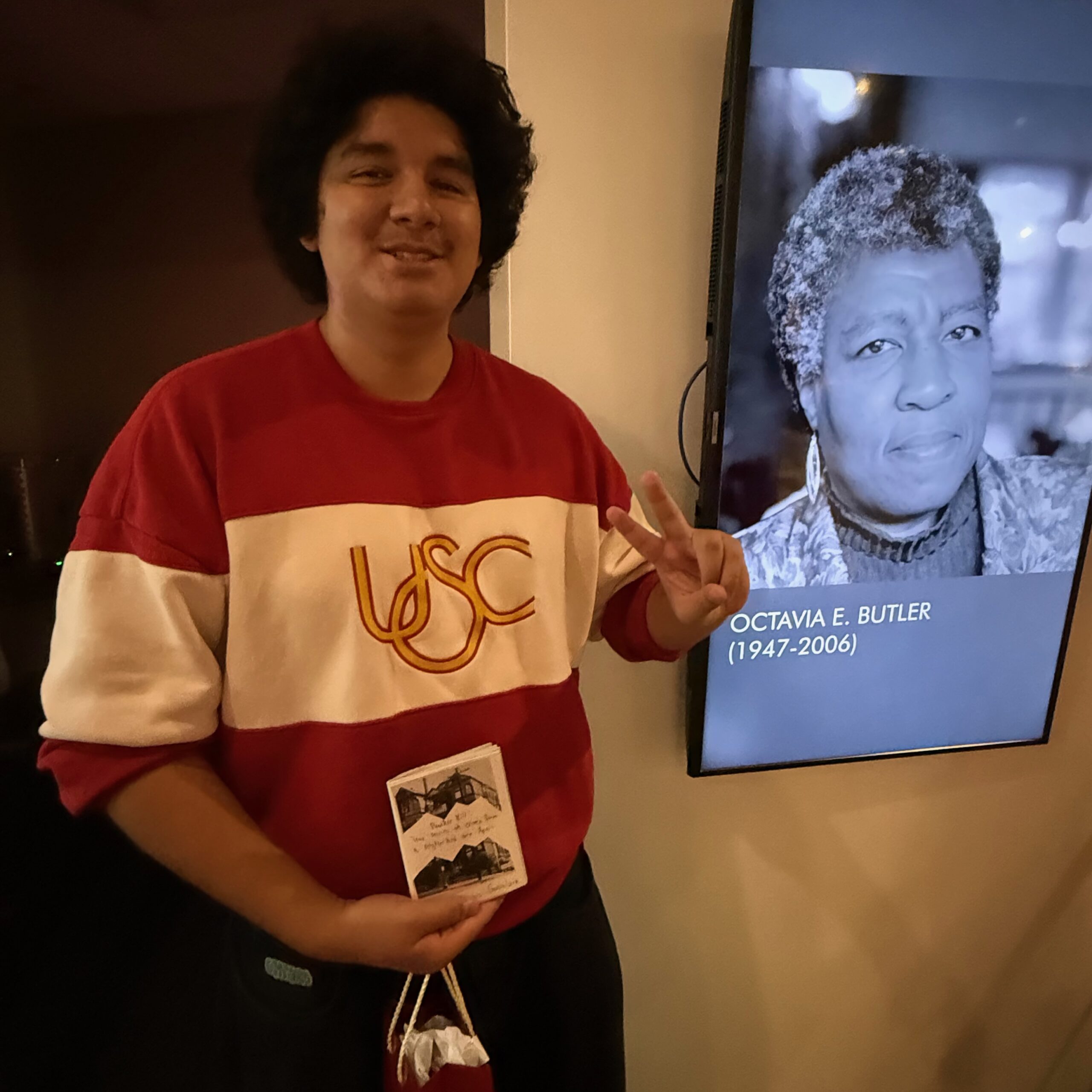
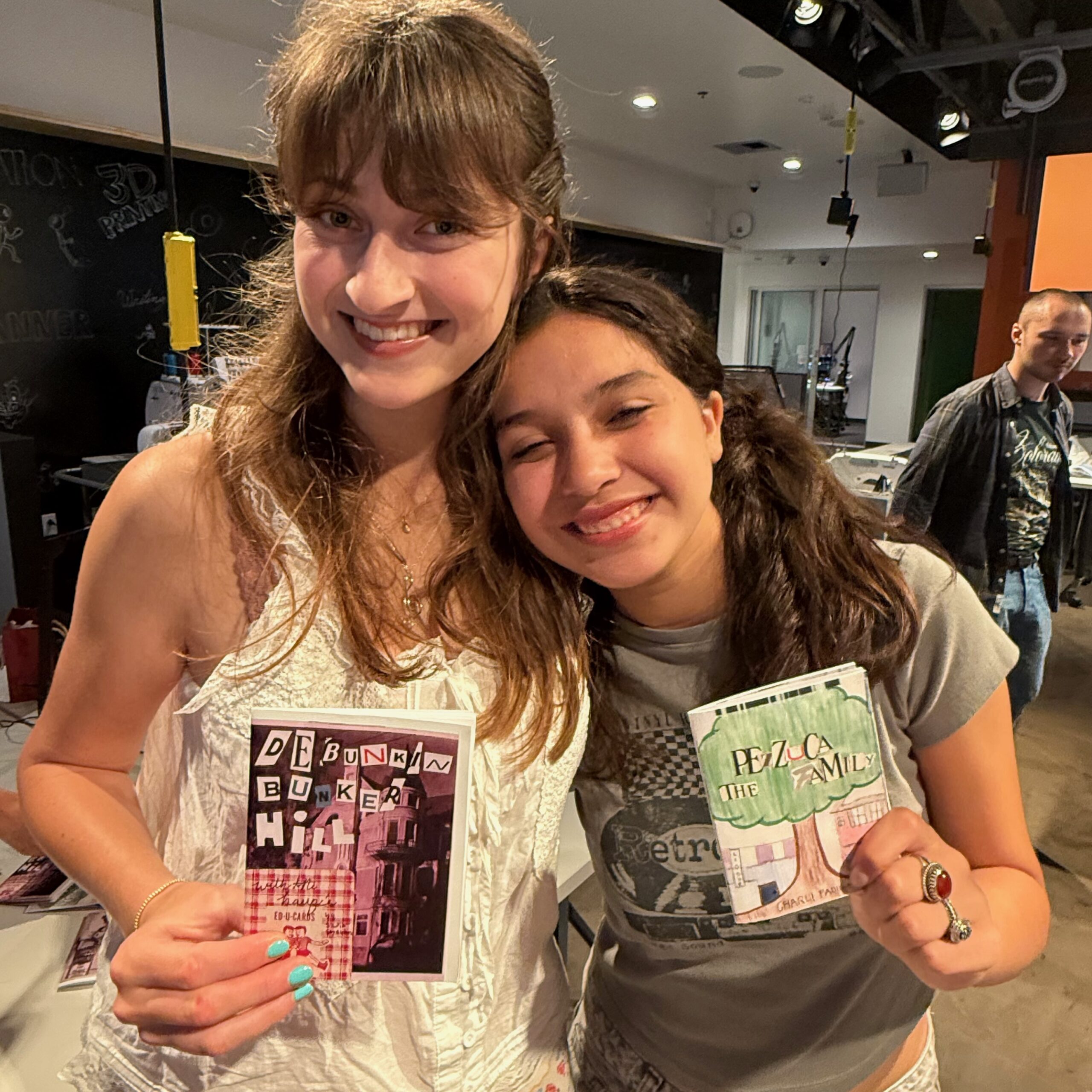
In 2025, the project expanded through a six-week Remix Residency and an intensive writing workshop involving USC students, community college students, and Los Angeles-area high school students. Participants conducted archival and genealogical research, edited interviews, joined neighborhood walking tours led by former residents, and created multimedia “day-in-the-life” narratives about people who lived on Bunker Hill. Their work was connected to avatars within the digital model and shared through a public exhibition at the Los Angeles Public Library.
The project’s newest phase, Reimagining the Rebel Archive, moves from documentation and interpretation toward imagination. USC undergraduates and high school students from the Leslie and William McMorrow Neighborhood Academic Initiative will participate in a week-long Zine Academy at the Los Angeles Public Library’s Octavia Lab. Working with archival materials and previous student projects, participants will create speculative zines exploring how the lessons of displacement might inform more equitable approaches to housing, planning, community organizing, and memory-keeping.
The new zines will be added to the Los Angeles Public Library’s circulating collection and the project’s digital archive. The program will culminate in Future Archive: Voices of Bunker Hill, a public reading, exhibition, and intergenerational dialogue bringing together current participants, program alumni, educators, community members, and descendants of former Bunker Hill residents. For more information, please visit bunkerhillrefrain.org.





PROJECT OBJECTIVES
- Contribute to scholarship on Los Angeles history and urban planning by documenting the experiences of a diverse working-class community displaced by redevelopment.
- Challenge reductive historical narratives about Bunker Hill by centering the memories, knowledge, and lived experiences of former residents and their descendants.
- Expand Bunker Hill Refrain’s “rebel archive” through oral histories, photographs, interviews, films, narratives, zines, and other community-created materials.
- Advance digital humanities and public-history practices through an immersive 3D model connecting archival records with community knowledge and creative work.
- Provide high school, community college, and USC students with hands-on experience in archival research, oral history, multimedia production, storytelling, and civic dialogue.
- Empower students to transform historical research into counter-narratives and speculative stories that imagine more equitable urban futures.
- Increase awareness of the relationships among urban renewal, displacement, housing inequity, community memory, and contemporary public policy.
- Foster mentorship and intergenerational exchange among students, former residents and their descendants, educators, librarians, researchers, and community members.
- Expand public access to the project through digital collections, library circulation, exhibitions, classroom materials, and public programming.

